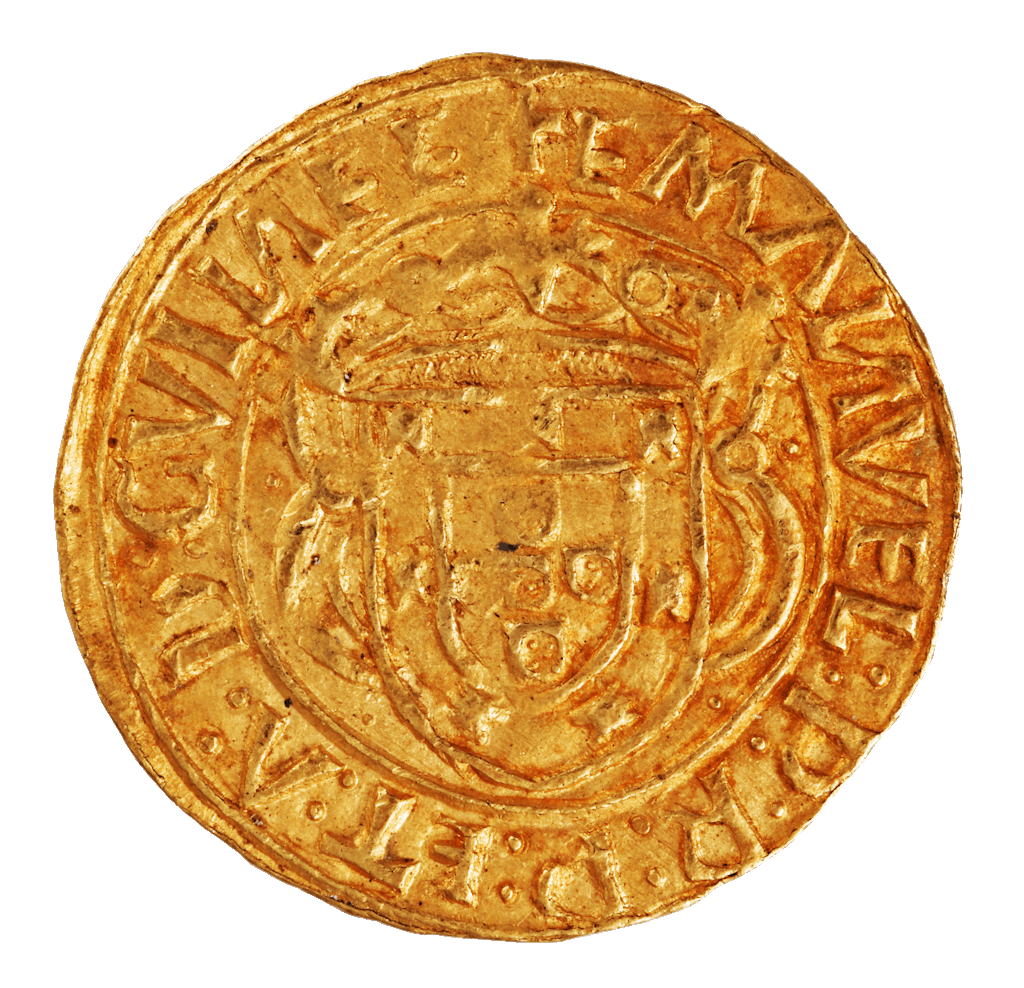
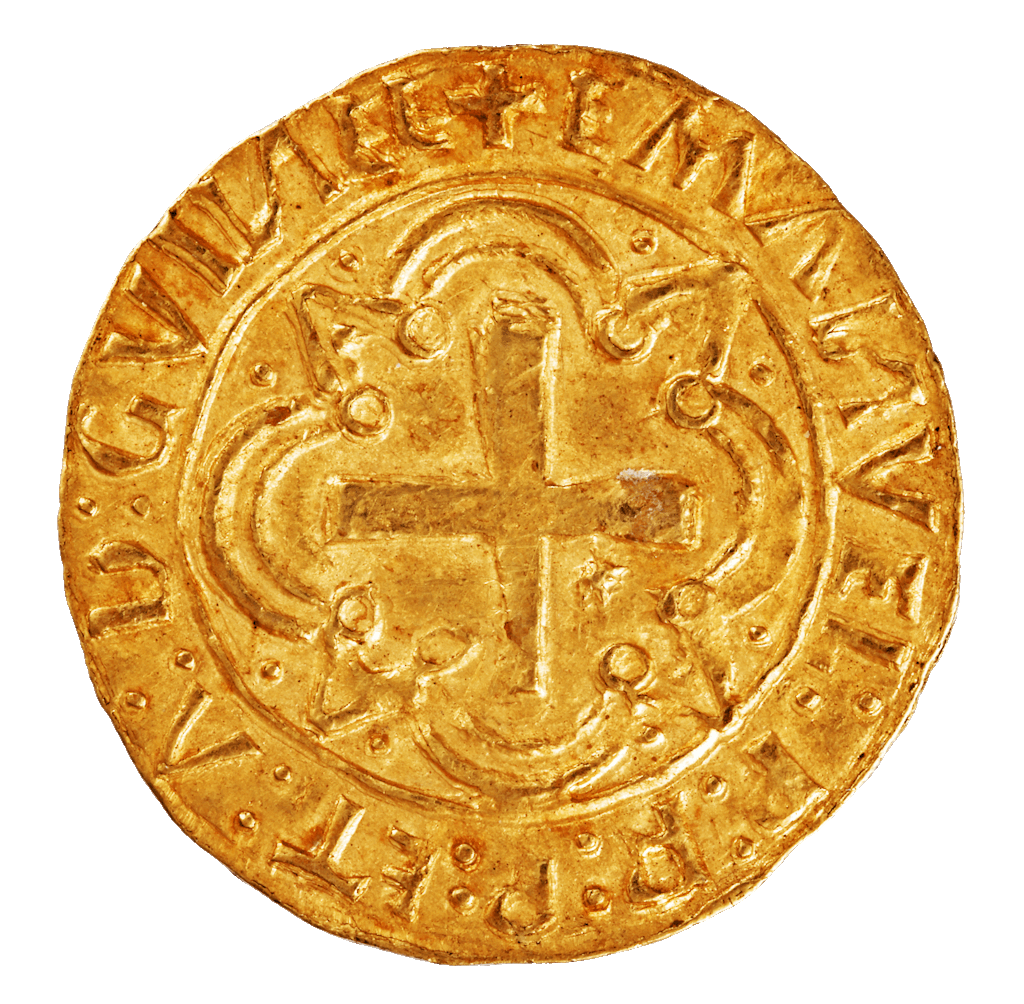
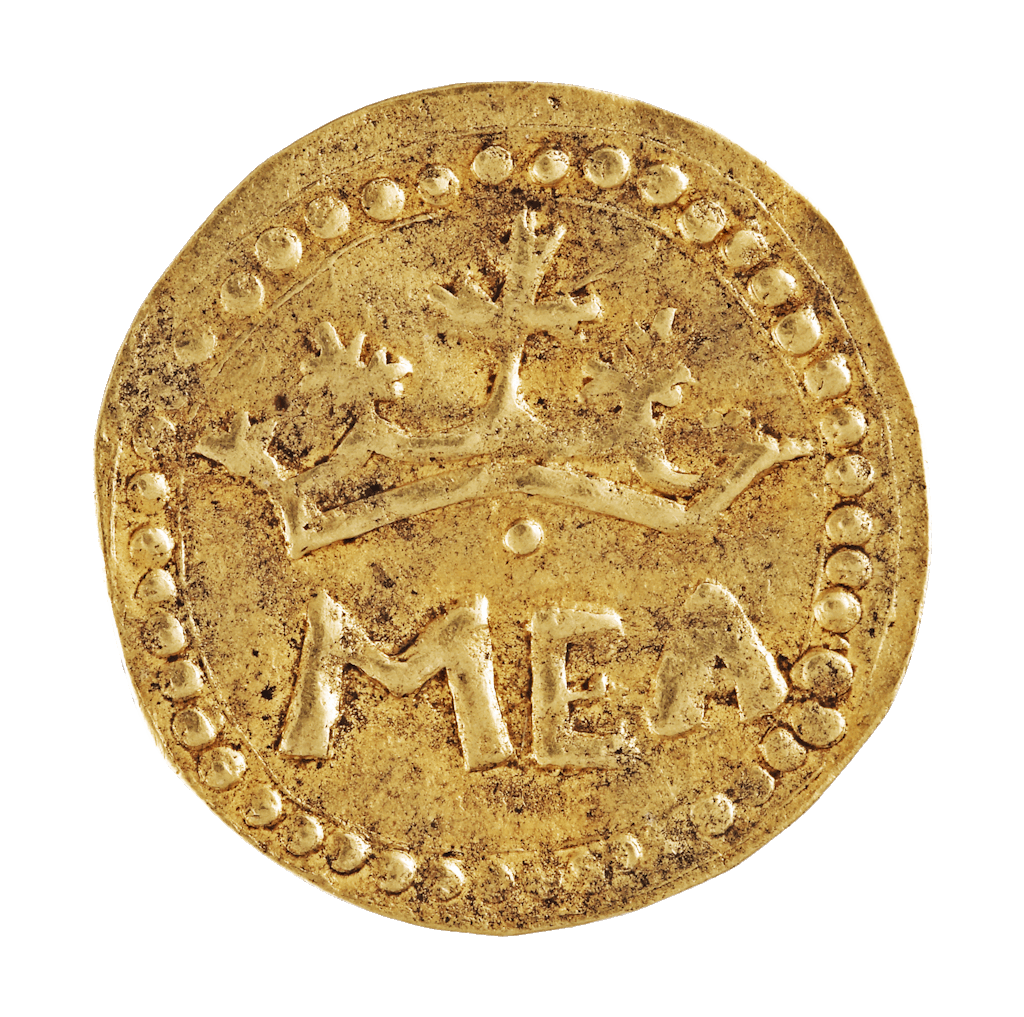
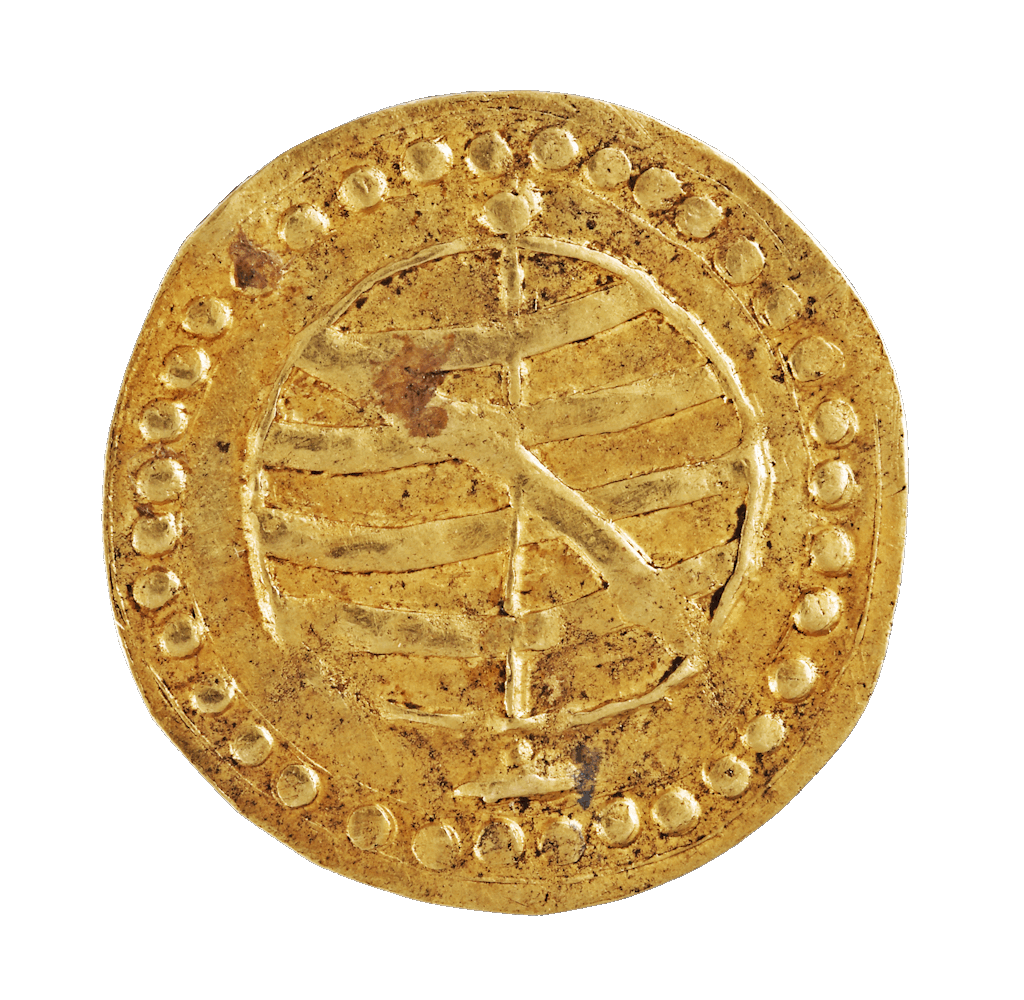
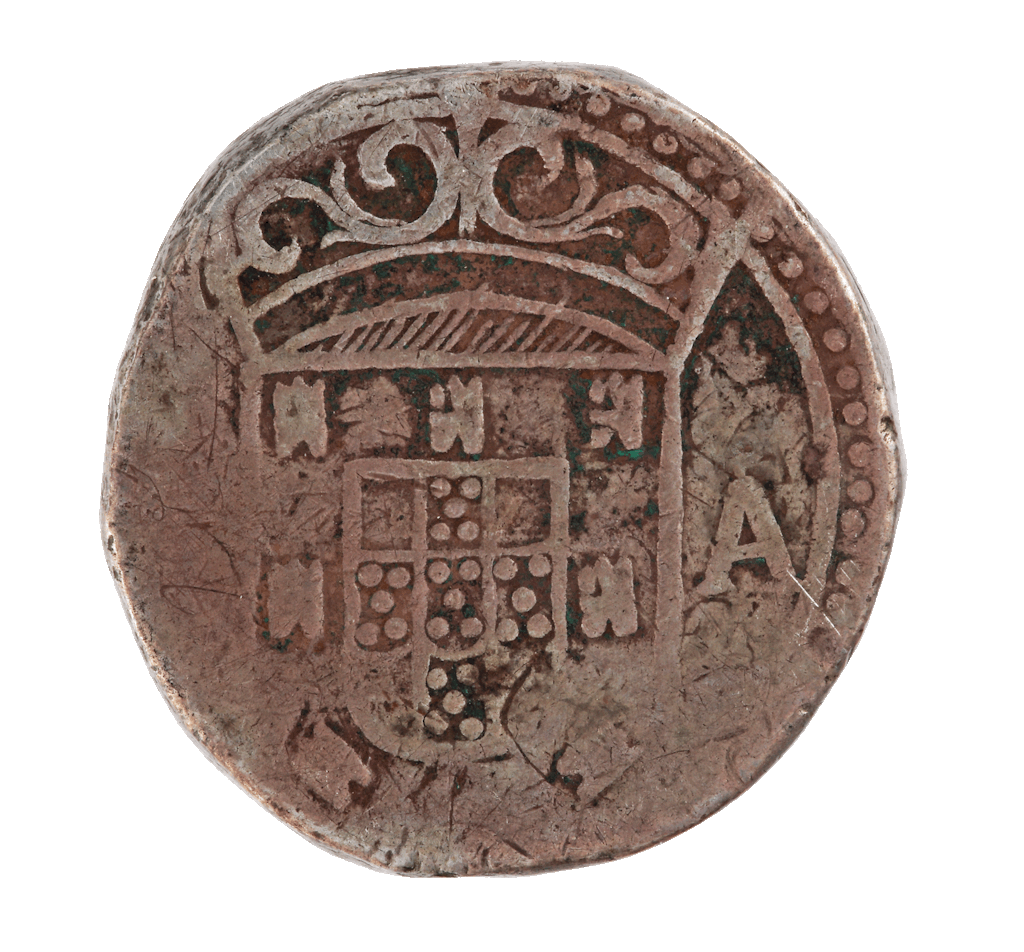
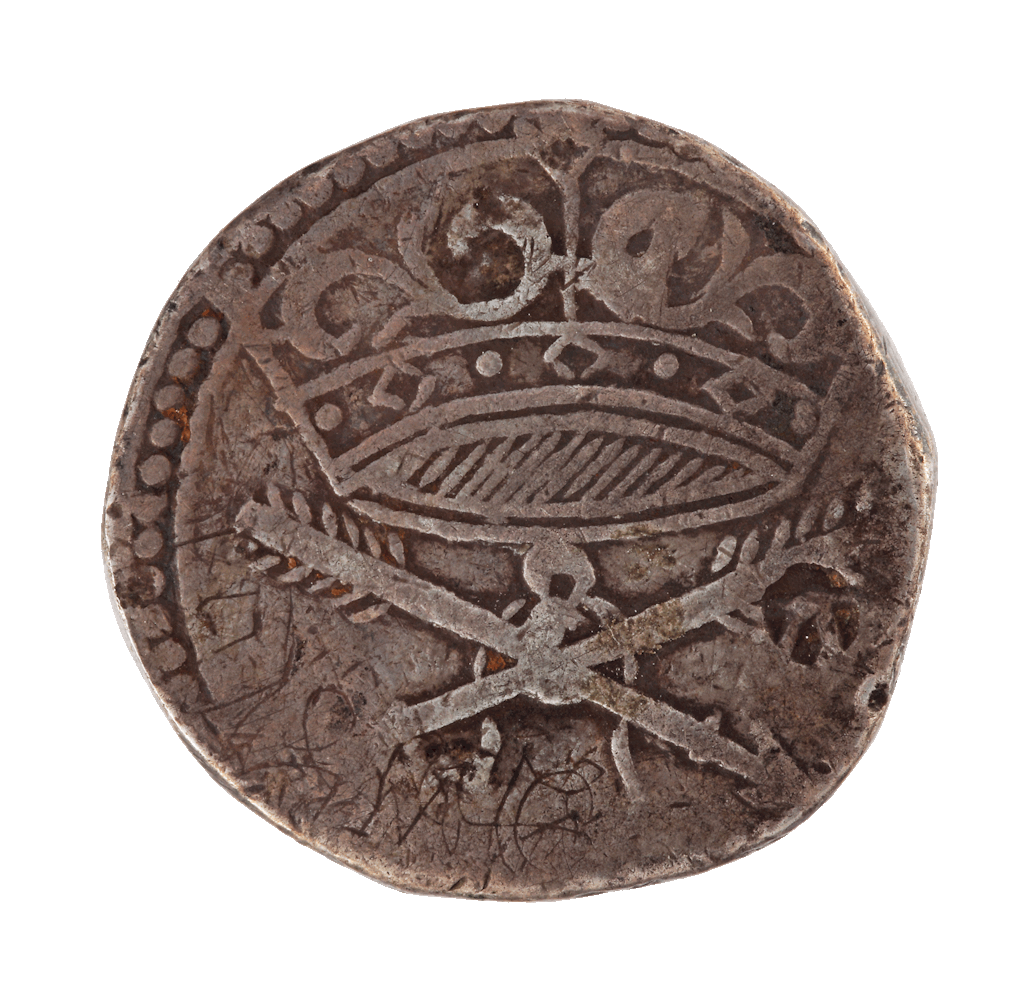
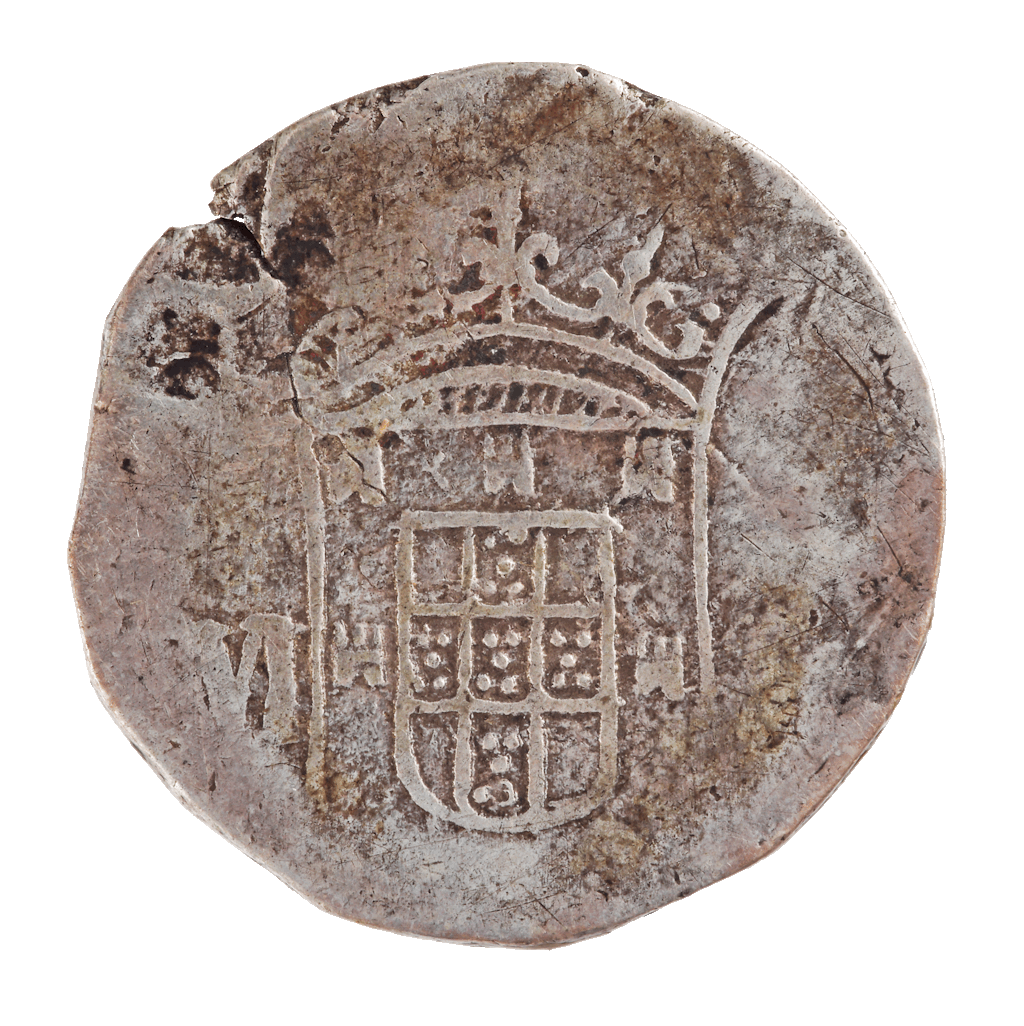
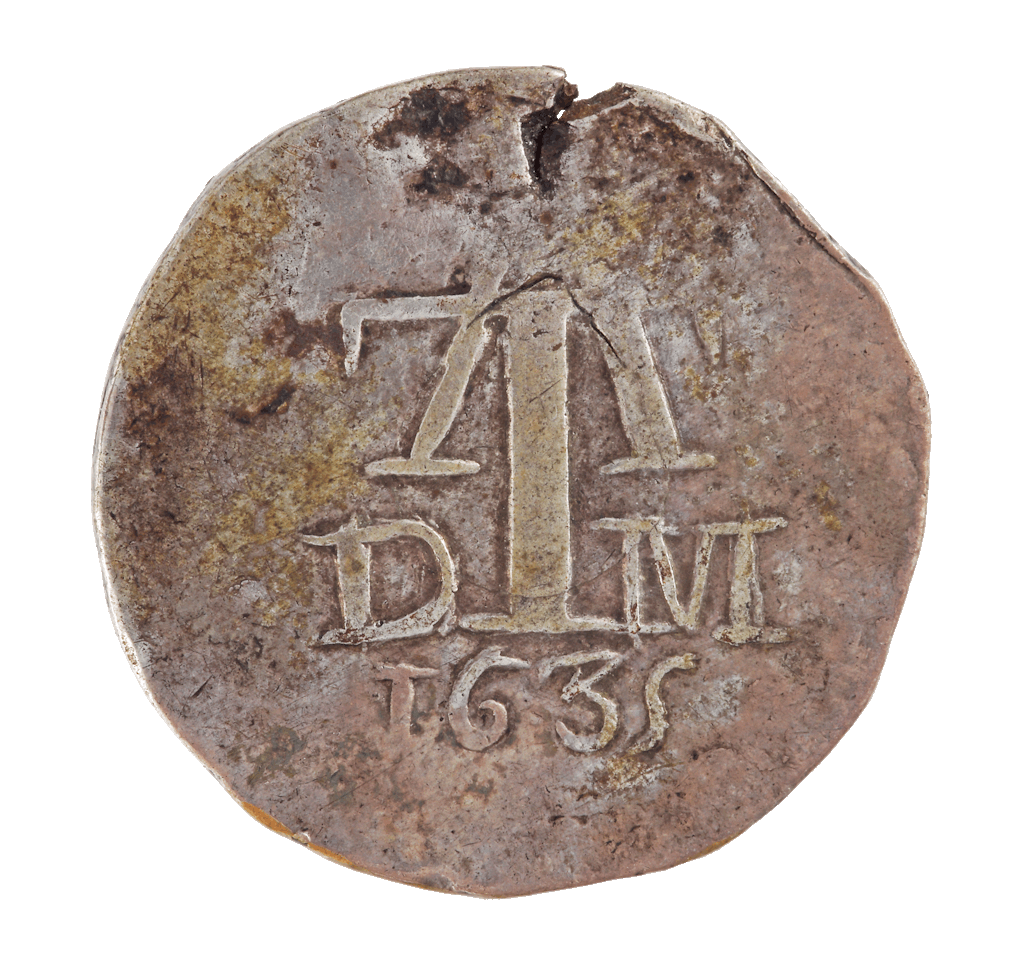
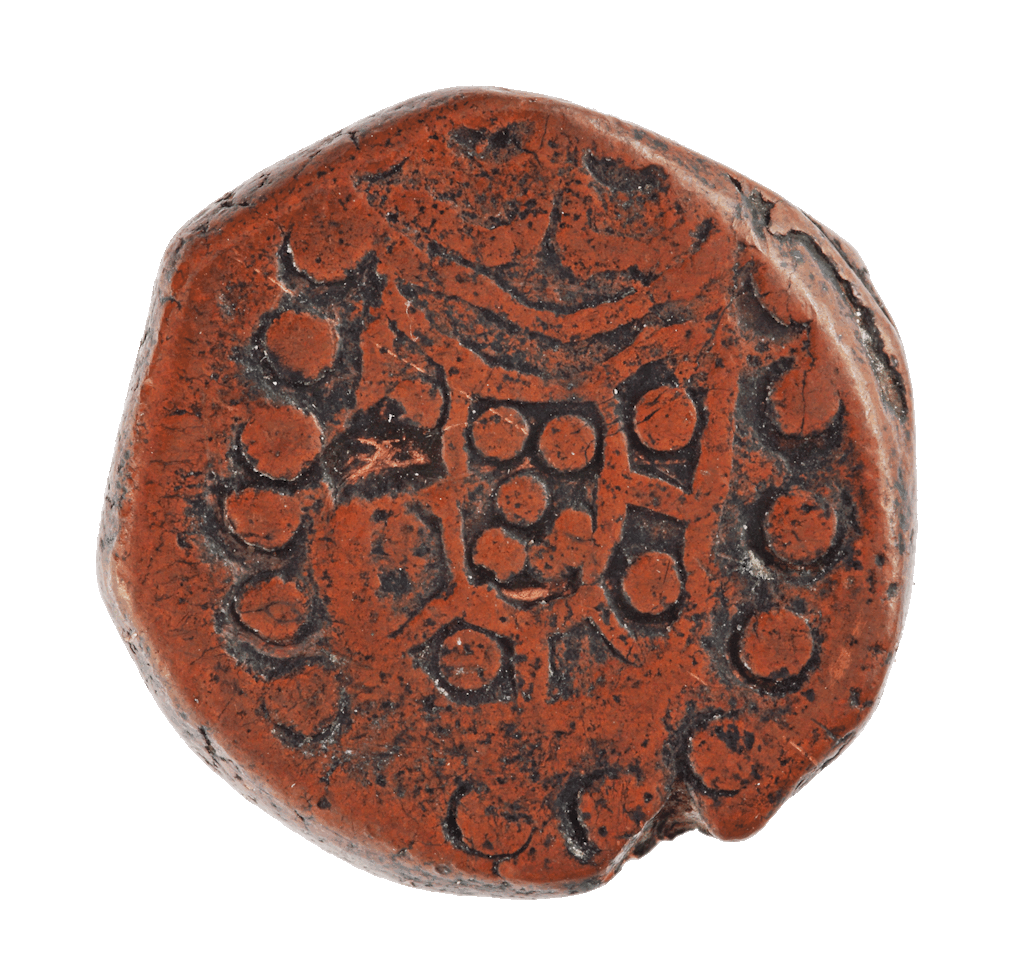
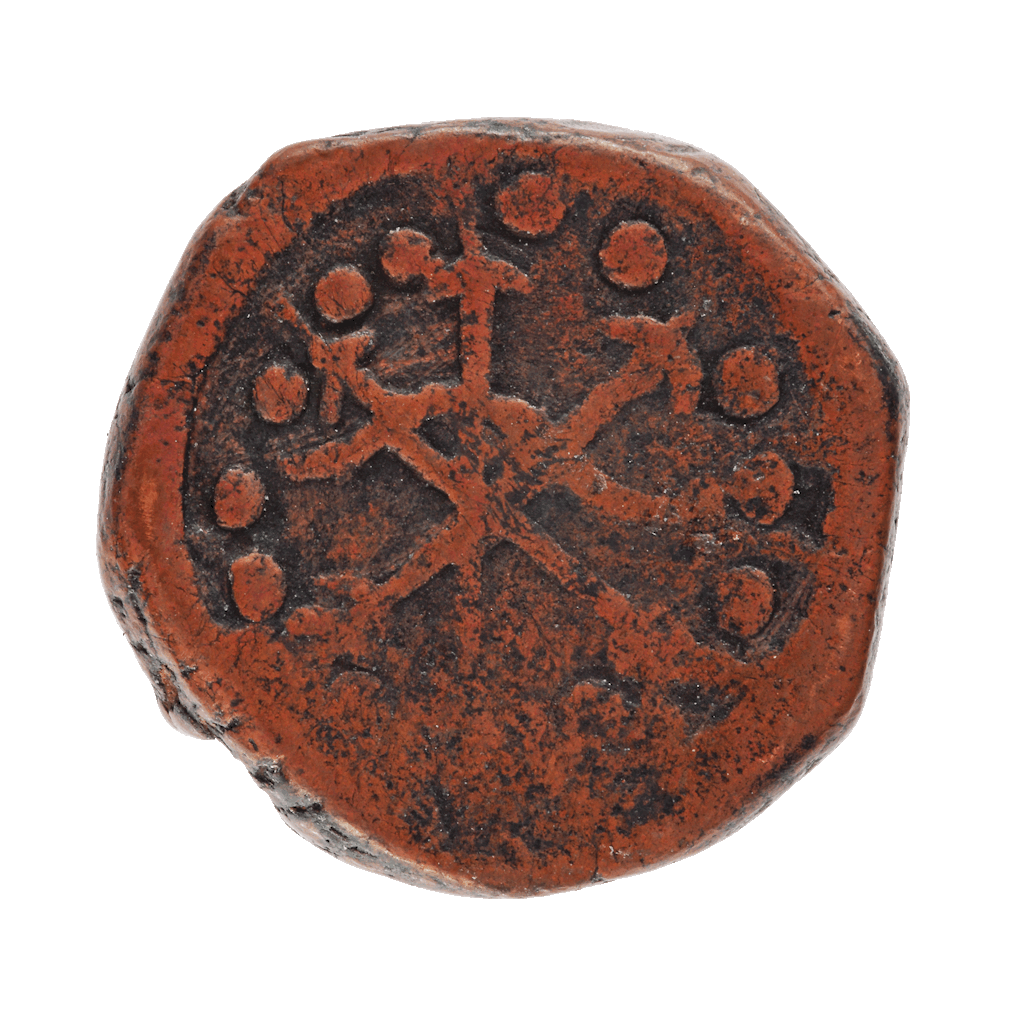
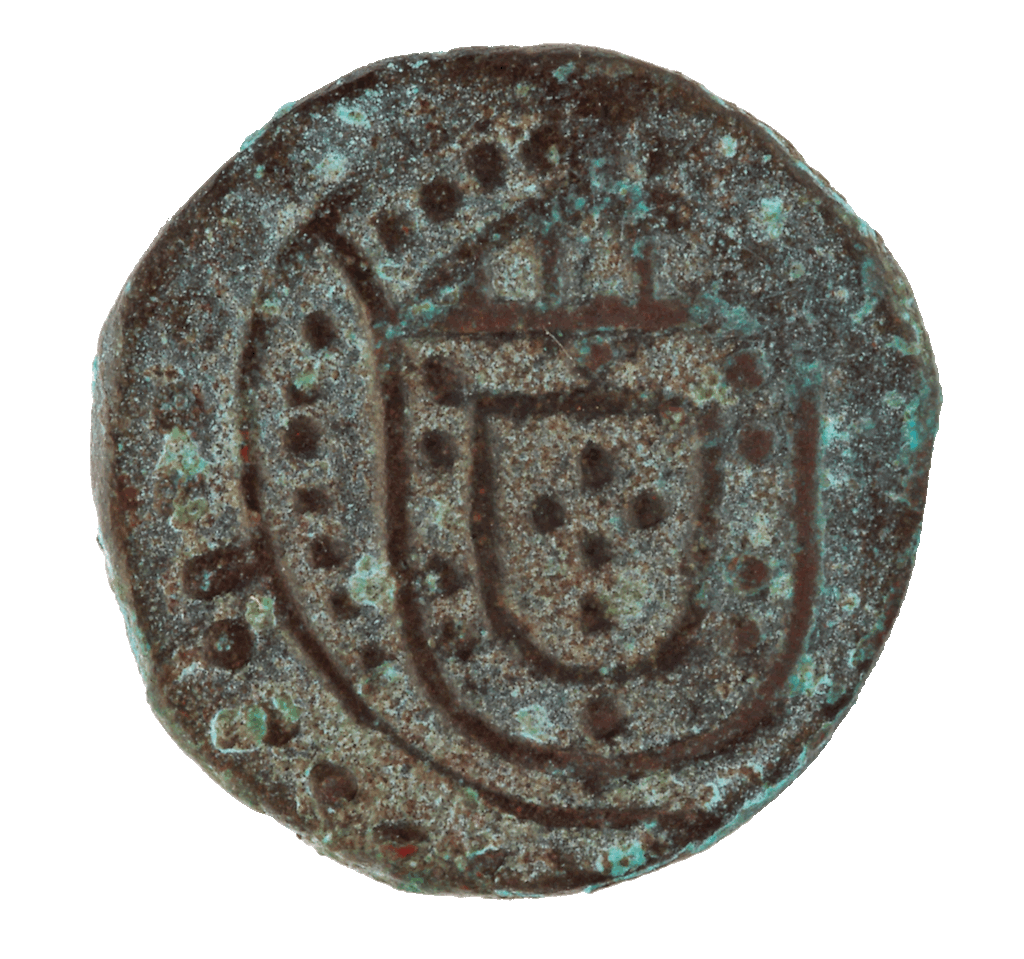
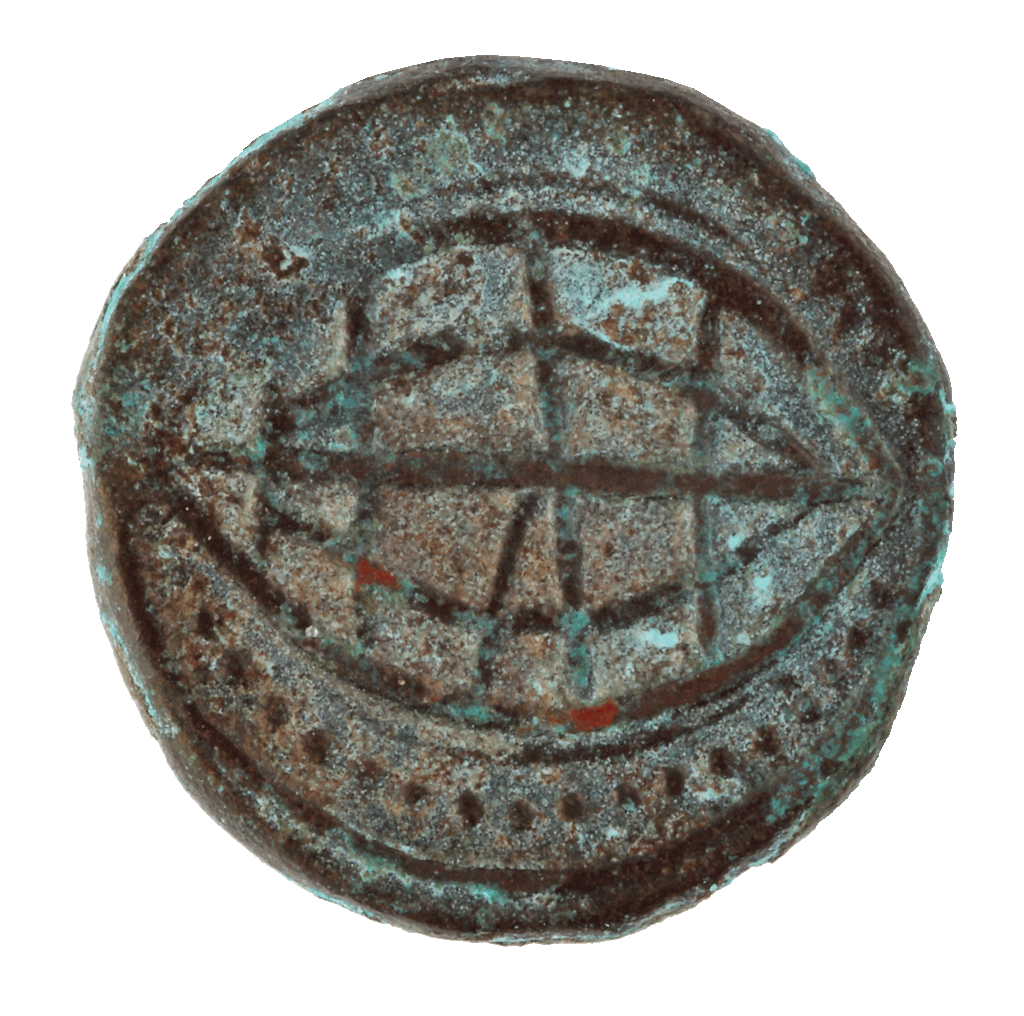
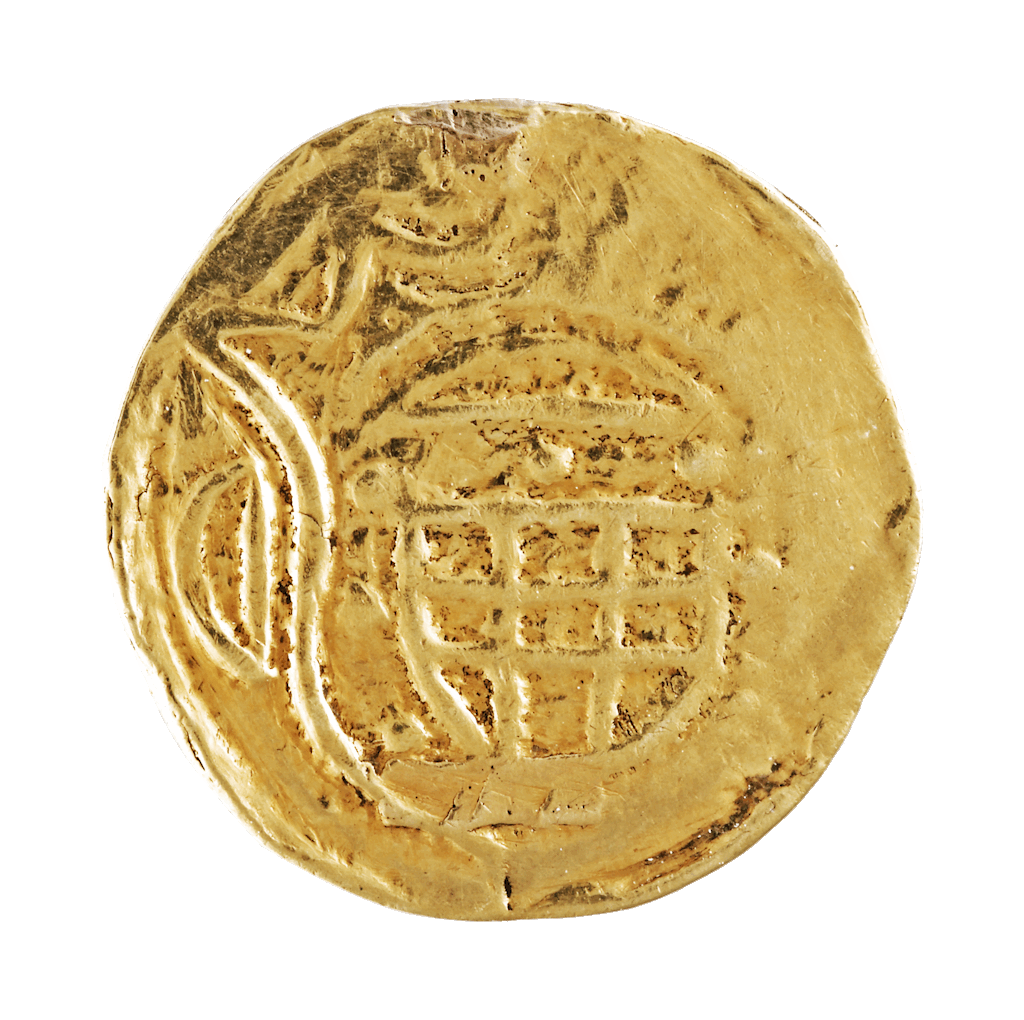
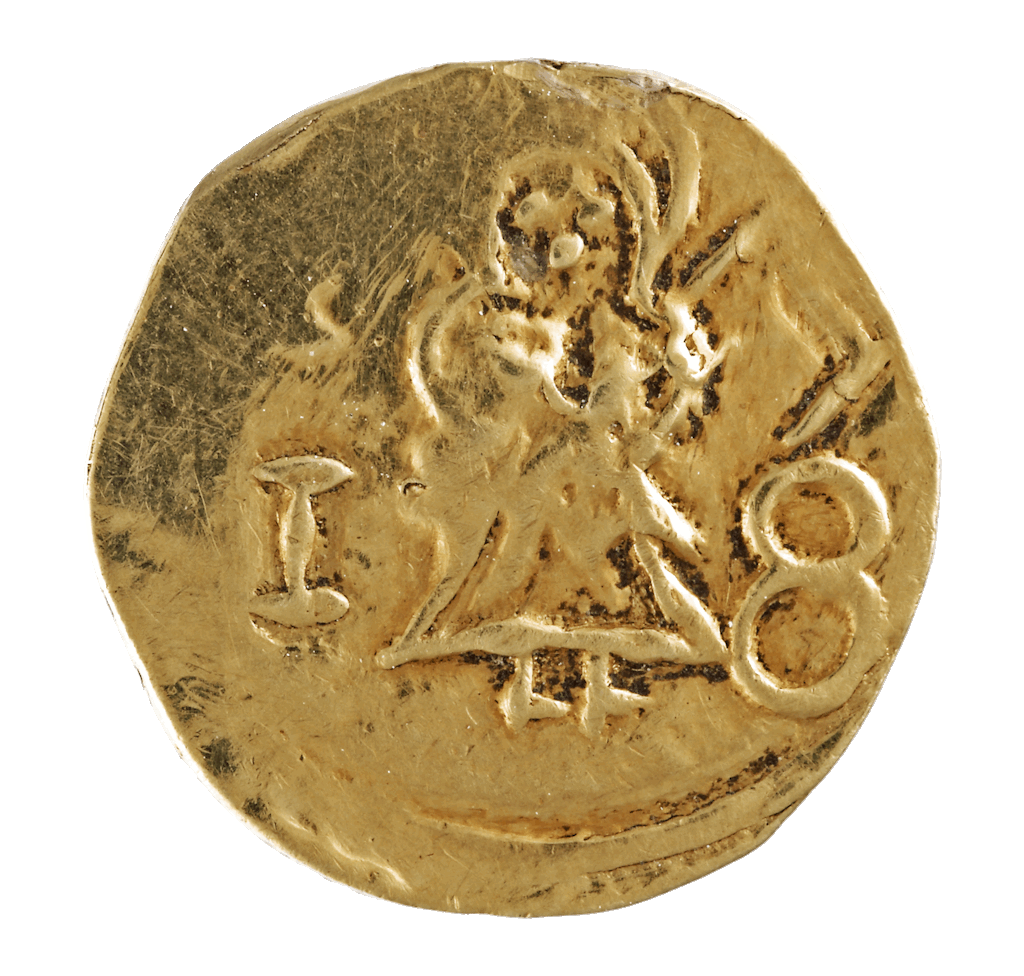
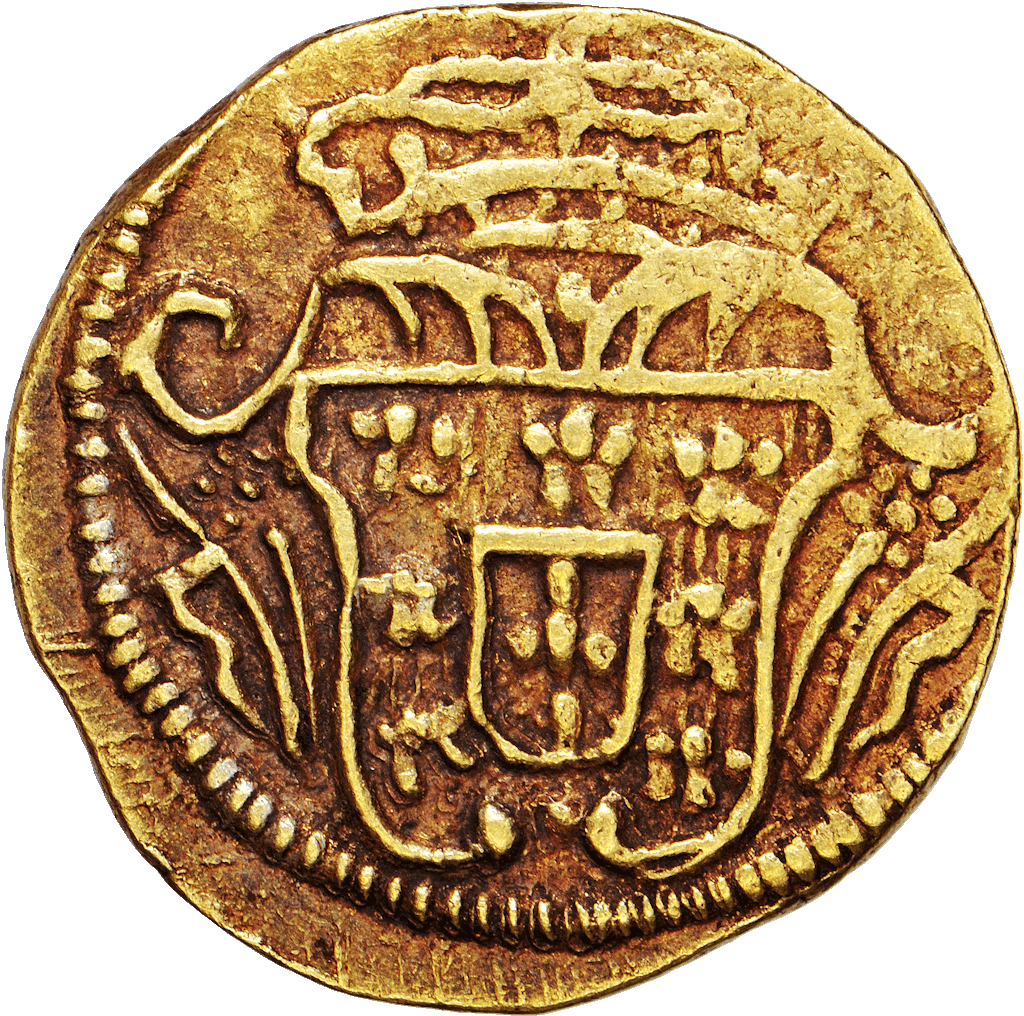
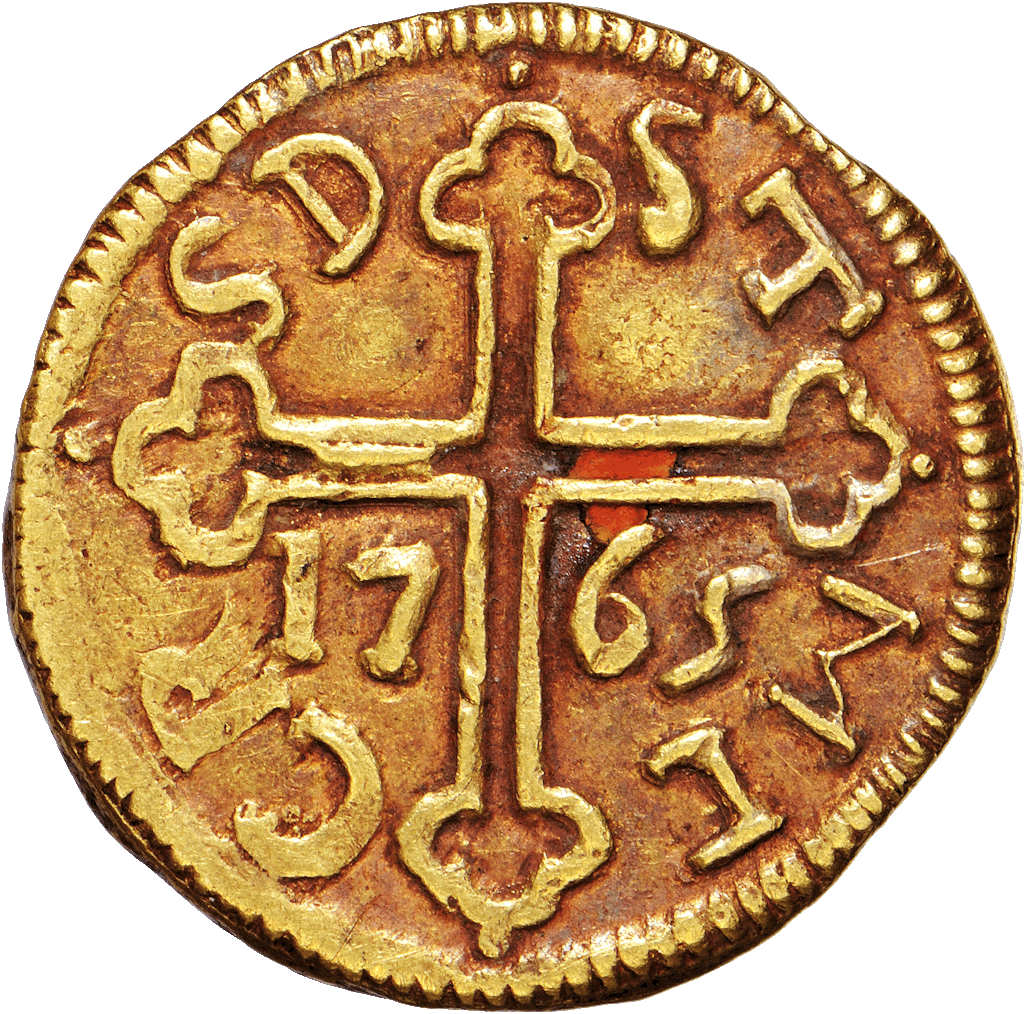
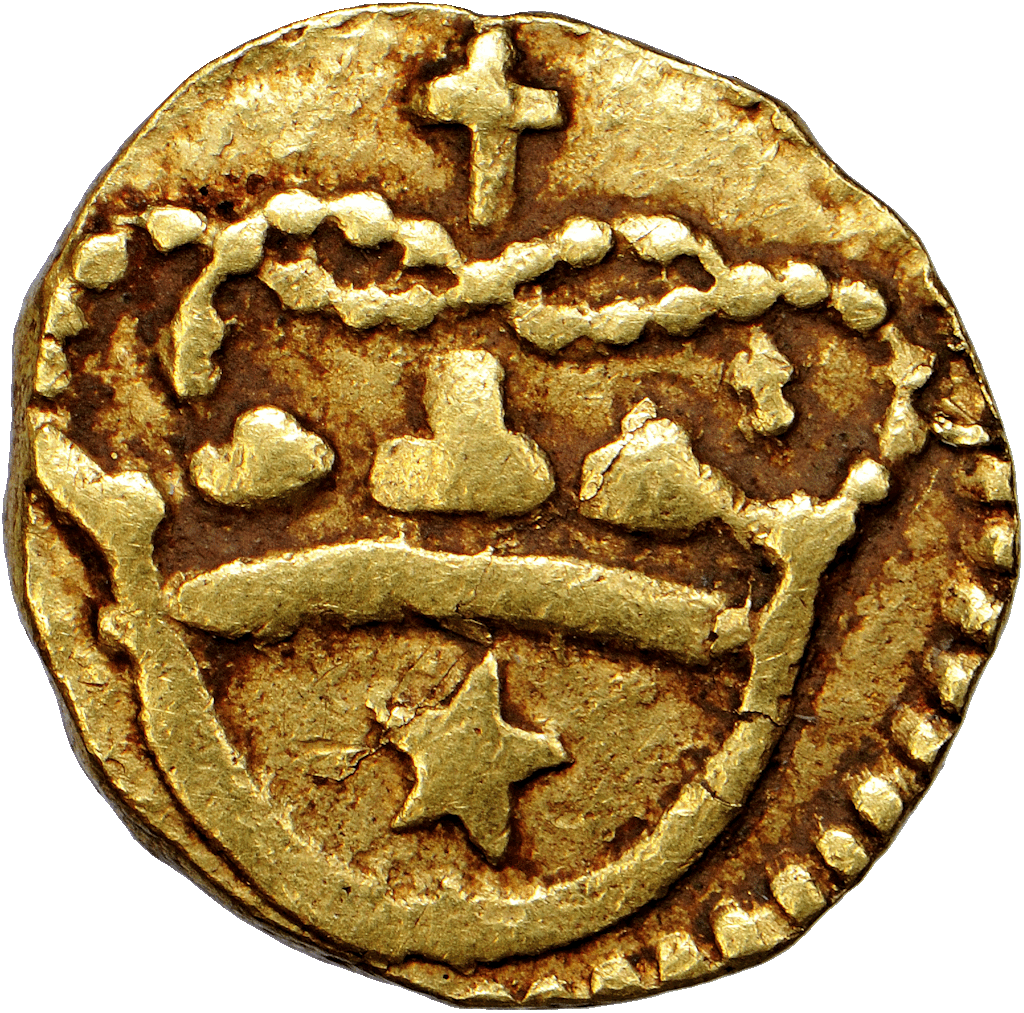
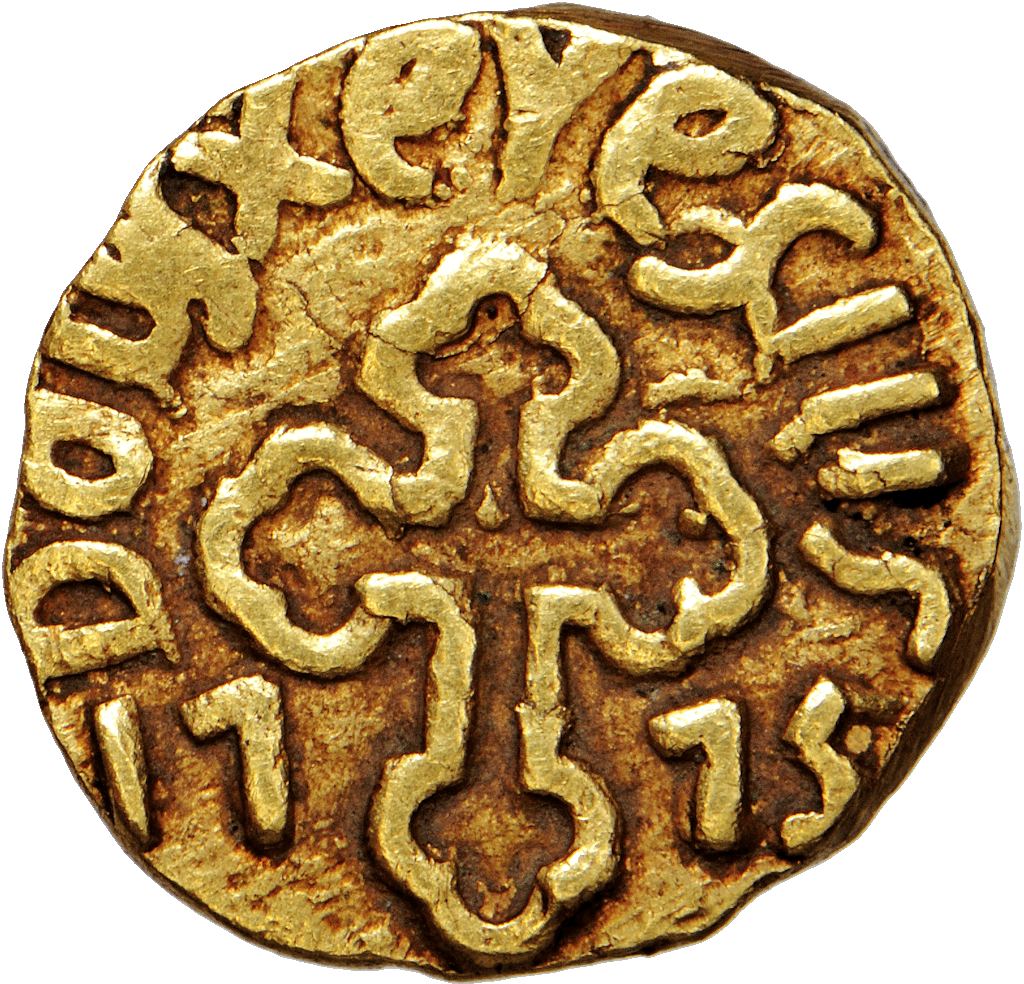
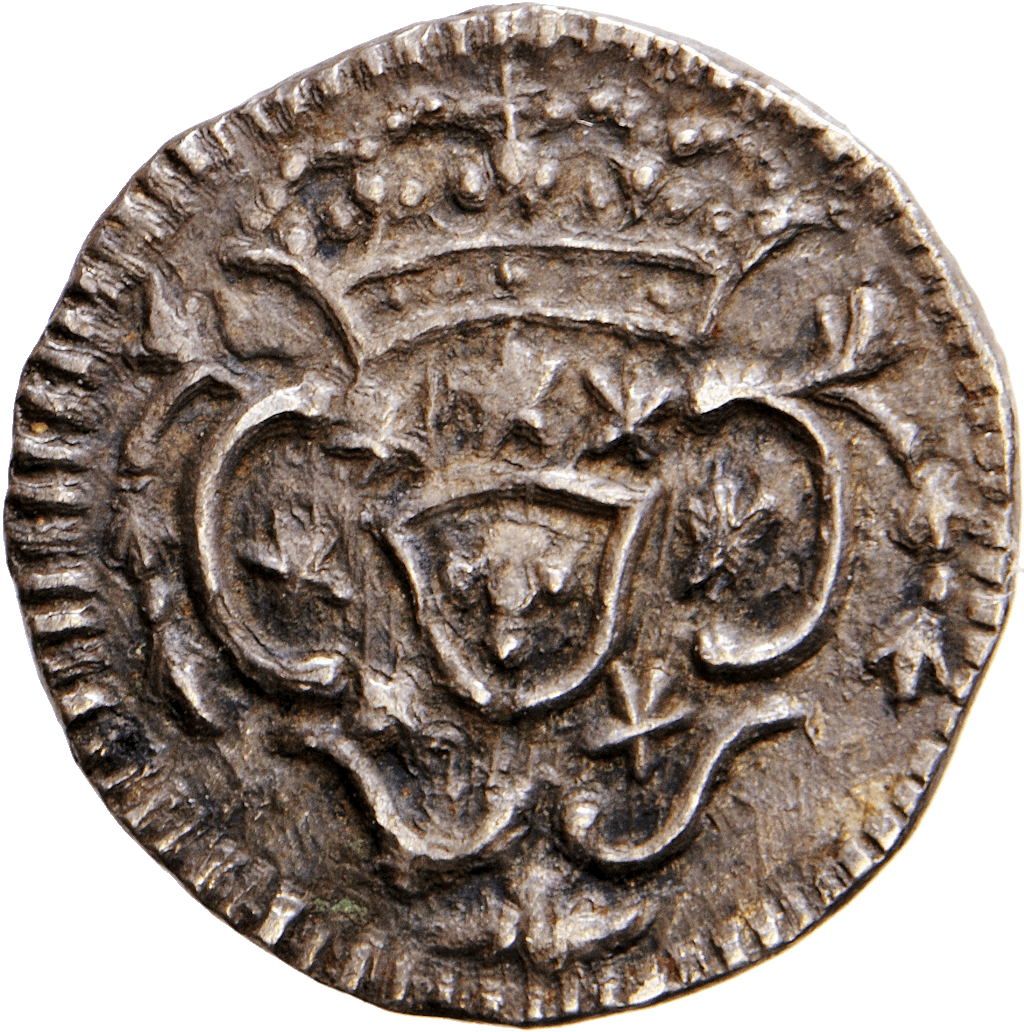
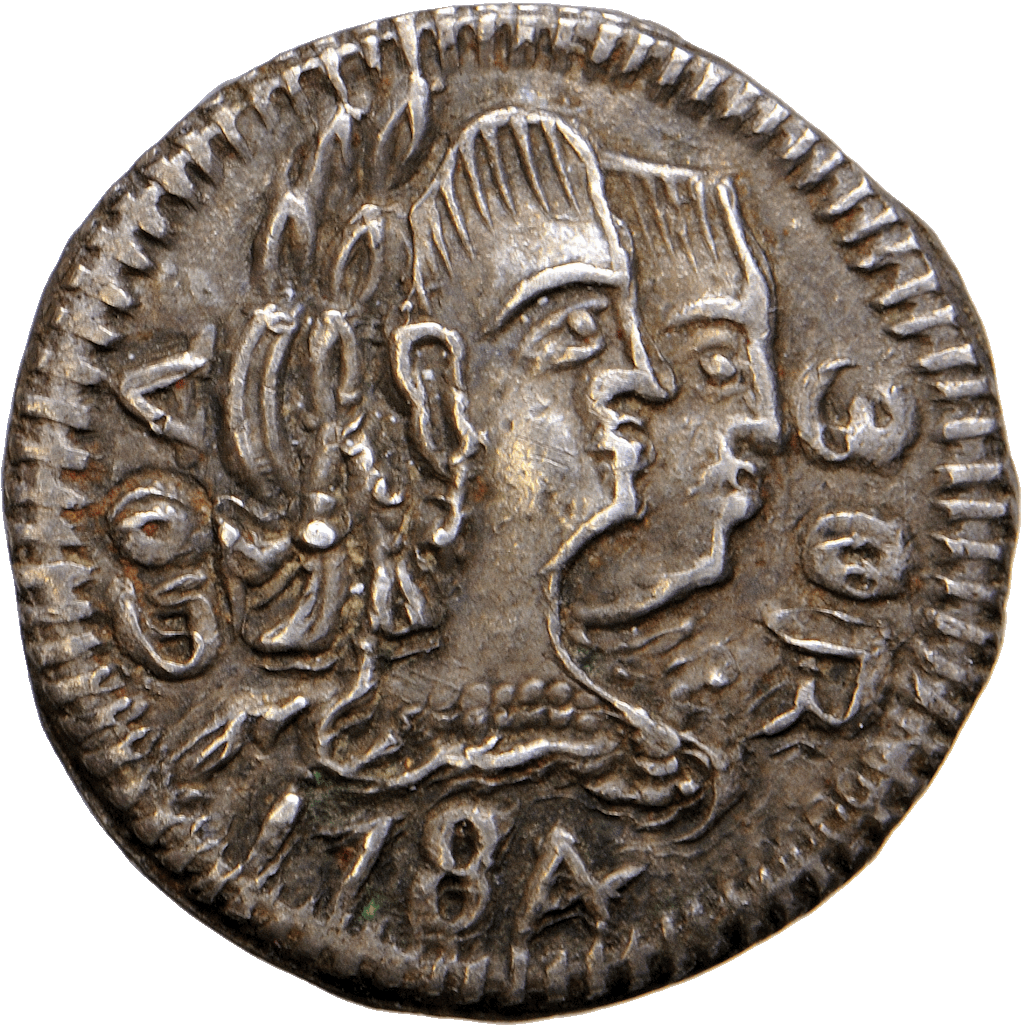
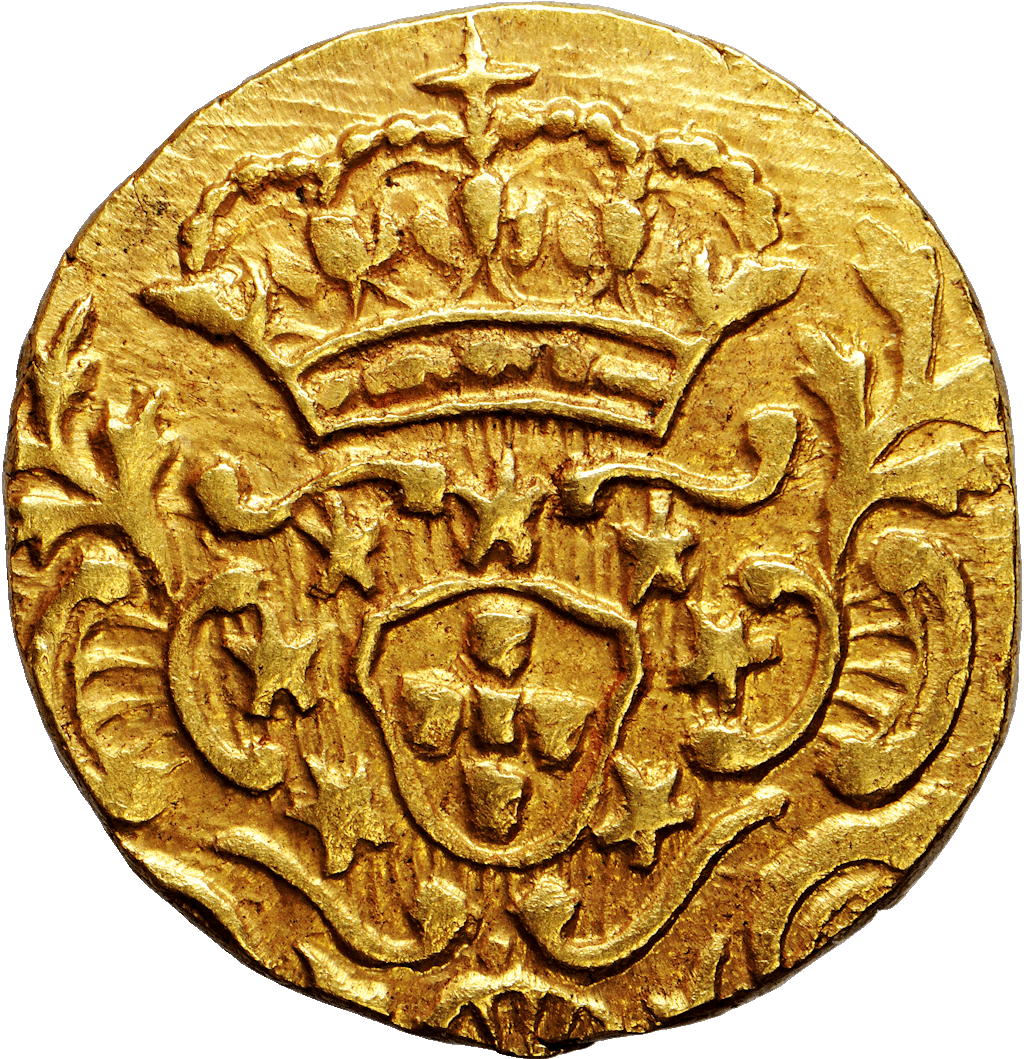
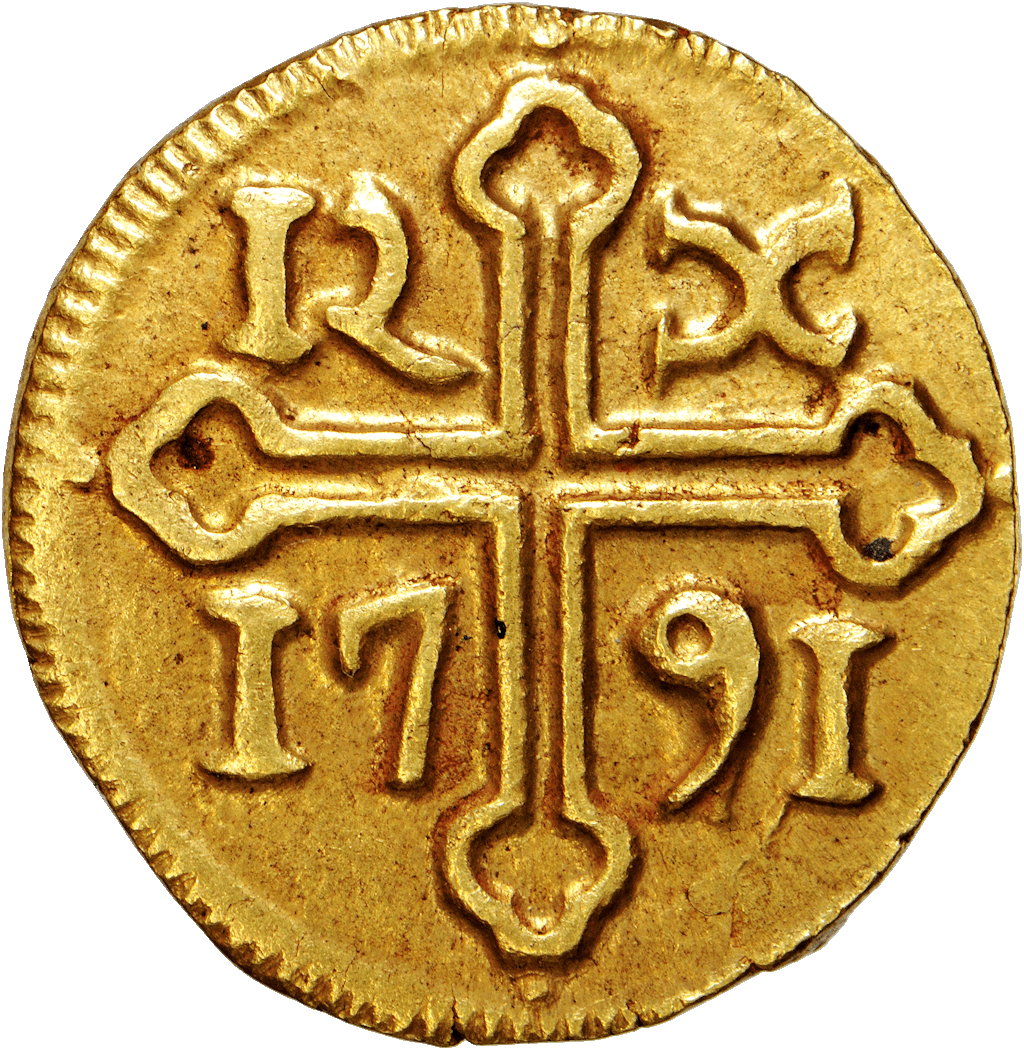
Mostra ao público uma seleção de moedas cunhadas em Portugal e na Índia Portuguesa durante os séculos XVI, XVII e XVIII, pertencentes à coleção do Museu Casa da Moeda. Produzidas para circulação nos espaços que integravam o Império Português na Ásia, estas moedas são um dos mais emblemáticos testemunhos das dinâmicas que, ao longo de cerca de trezentos anos, ajudaram a construir as redes de poder que marcaram a presença portuguesa no Oceano Índico.
Nos inícios da época moderna, várias foram as cidades que desempenharam um papel de relevo na consolidação da presença portuguesa no oriente. Goa, Damão, Diu, Cochim, Baçaim e Malaca foram apenas algumas das cidades que mais se destacaram no quadro do projeto expansionista gizado por D. Manuel I nas primeiras décadas do século XVI. Para além de centros do poder político, estas cidades foram também importantes placas giratórias no processo de globalização da economia, alimentando a rede que ligava diferentes culturas à escala planetária. Nestes locais funcionaram também as principais casas da moeda associadas à presença portuguesa no oriente.
O Estado da Índia, fundado pouco após a expedição de Vasco da Gama, constituíu-se como a cabeça do governo das fortificações, feitorias e colónias portuguesas no oriente. Foi com Afonso de Albuquerque que se deram os passos mais significativos no sentido da consolidação da presença portuguesa no oriente: a derrota dos sultões de Bijapur, que favoreceu o estabelecimento dos portugueses em Goa, e a conquista de territórios aos sultões do Guzerate, como Damão, Salsete, Bombaim, Baçaim e Diu. D. Lourenço de Almeida foi o primeiro a chegar ao Ceilão. Mais tarde, os portugueses passaram a controlar também Macau, principal porto no comércio com a China e o Japão através da rota de Nagasáqui. Pelos meados do século XVI, os portugueses tinham garantido a sua presença em diversos lugares do oriente, controlando as rotas marítimas e exercendo domínio sobre vários enclaves territoriais de pequenas dimensões.
Os múltiplos e submúltiplos destas moedas, por vezes identificados nas respetivas faces, indicam que estas peças eram batidas para a satisfação de fins económicos diversos, indicador claro de uma economia viva. Portugal dispunha, nesta época, de moedas fortes, com as quais financiava as atividades relacionadas com o governo das fortificações, feitorias e colónias do oriente, bem como a diplomacia e o comércio com outras potências europeias e asiáticas.
A coleção de moedas agora exposta tem uma longa história. Uma parte significativa destas moedas foi reunida no tempo do rei D. Luís, ficando exposta no Gabinete Real do Palácio da Ajuda. A constituição do fundo da Casa da Moeda, após a implantação da república em Portugal, levou à transferência destas moedas para a coleção guardada nesta instituição. O Museu Numismático Português incorporou todas estas aquisições e desempenhou, ao longo de várias décadas, um papel inestimável na preservação e divulgação destas moedas.
A visita à exposição é complementada por uma apelativa brochura contendo textos numa linguagem ao mesmo tempo clara e rigorosa. Esta brochura apresenta o essencial daquilo que o visitante deve saber para compreender a importância das moedas expostas